Fougère translates to “fern,” despite there being no actual fern note in perfumery — the term refers to the lavender-coumarin-oakmoss structure that effectively invented “smells like a men’s cologne” as a concept. This version of the list leans hard into where the category is thriving right now: niche houses treating it seriously, two designer pillars everyone should know, and proof that the budget Arabian houses can build a genuine fougère rather than just another oud clone.
1. Tom Ford Beau de Jour
Antoine Maisondieu’s revival of the aromatic fougère, originally a Private Blend exclusive before Tom Ford brought it into the Signature line. Lavender and lavender extract into oakmoss, rosemary, mint, basil, and geranium, closing on patchouli and amber. Frequently cited as the fragrance that kicked off a small “nouveau fougère” movement in designer perfumery — a genuinely modern take on Davidoff Zino’s structure.
2. Nobile 1942 Fougère Nobile
Bergamot, lavender, basil absolute, and black pepper into elemi, geranium, tobacco, and aldehyde C12, closing on vetiver, tonka bean, patchouli, sandalwood, and musk. Italian niche house working the genre with real technical polish — a link between the tradition and something more contemporary.
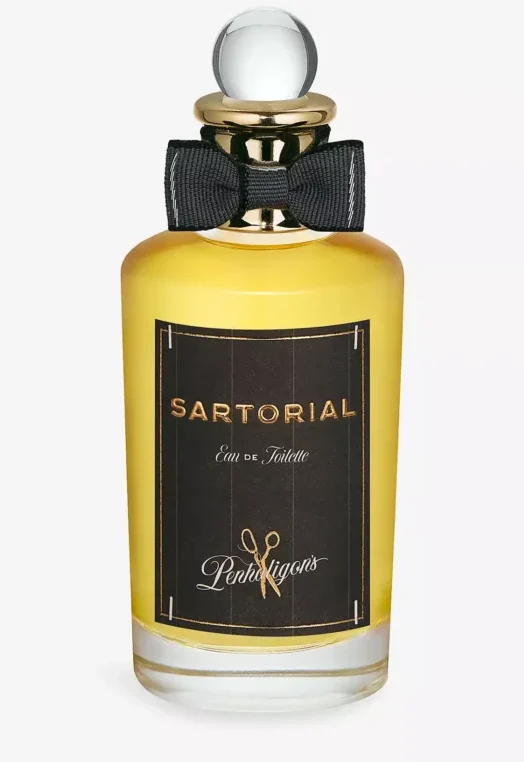
3. Penhaligon’s Sartorial
Bertrand Duchaufour’s tailor’s-workshop concept — aldehydes, metallic and ozonic effects, cardamom, black pepper, and violet leaf into beeswax, leather, cyclamen, and linden blossom, resting on oakmoss, honey, tonka bean, and myrrh. Consistently called one of the finest modern fougères made, and the beeswax-leather thread is what separates it from everything else on this list.
4. Creed Green Irish Tweed
The refined end of the category — lemon verbena, violet leaf, and iris over sandalwood and ambergris. Reached for by people who want fougère structure without the barbershop-drugstore association, and the fragrance half this list’s budget entries are openly trying to approximate.
5. Polysnifferous Old Man Brackish
An American indie house working in small batches — bitter orange, cloves, cypress, lavender, and nutmeg into geranium, carnation, jasmine, cedar, and sandalwood, closing on benzoin, tonka bean, patchouli, and musk. A flanker of the house’s well-regarded Brackish Man, itself built as a hybrid of Amouage Bracken Man and vintage Old Spice. Genuinely small-scale, genuinely well-constructed — the kind of house worth knowing before everyone else does.
6. D.S. & Durga Burning Barbershop
Smoke, spearmint, lavender, and vanilla from the Brooklyn house that consistently treats classic American genres as raw material for something stranger. Comes up constantly in “modern fougère” recommendation threads alongside Masque Milano and Parfum d’Empire — smoky rather than mossy, and worth trying specifically because it doesn’t sound like the rest of this list on paper.
7. Paco Rabanne Pour Homme
Lavender and basil into carnation, jasmine, and sandalwood, closing on oakmoss, tonka bean, musk, and amber. A modern classic that’s stayed in continuous production for a reason — this is what most people picture when they hear “fougère” without knowing the term.
8. Dior Eau Sauvage
Released in 1966 and historically significant for one reason above all: it was the first fragrance built around Hedione, a synthetic jasmine-like molecule that changed modern perfumery’s entire toolkit. Bergamot, lemon, basil, and rosemary over jasmine and rose, closing on oakmoss, vetiver, and patchouli. Not a pure fougère by strict definition, but essential to the conversation this list is having — citrus, green, and aromatic in a way that predates and informs half the entries above it.
9. Armaf Tres Nuit
Lemon verbena and iris into lavender, violet, and spicy notes, closing on ambergris and sandalwood. Regularly compared to Green Irish Tweed and Cool Water by name in community reviews, and at under $30 it’s one of the most legitimately recommended budget fougères in circulation — not a corner-cut version of the idea, a genuine one.
10. Lattafa Maahir Legacy
Lime, mint, grapefruit, lavender, and pineapple into black pepper, rosemary, geranium, and frankincense, closing on ambroxan, vetiver, oakmoss, and tonka bean. Community consensus calls it a genuine step up from Lattafa’s usual clone-house reputation — fresher and lighter than most of the brand’s catalog, and a proper fougère structure underneath the citrus.
For the history: Eau Sauvage, still wearable six decades on. For the best value in the whole list: Armaf Tres Nuit, no contest. For the deepest niche cut: Old Man Brackish, before the rest of the fragrance world catches up to that house.